
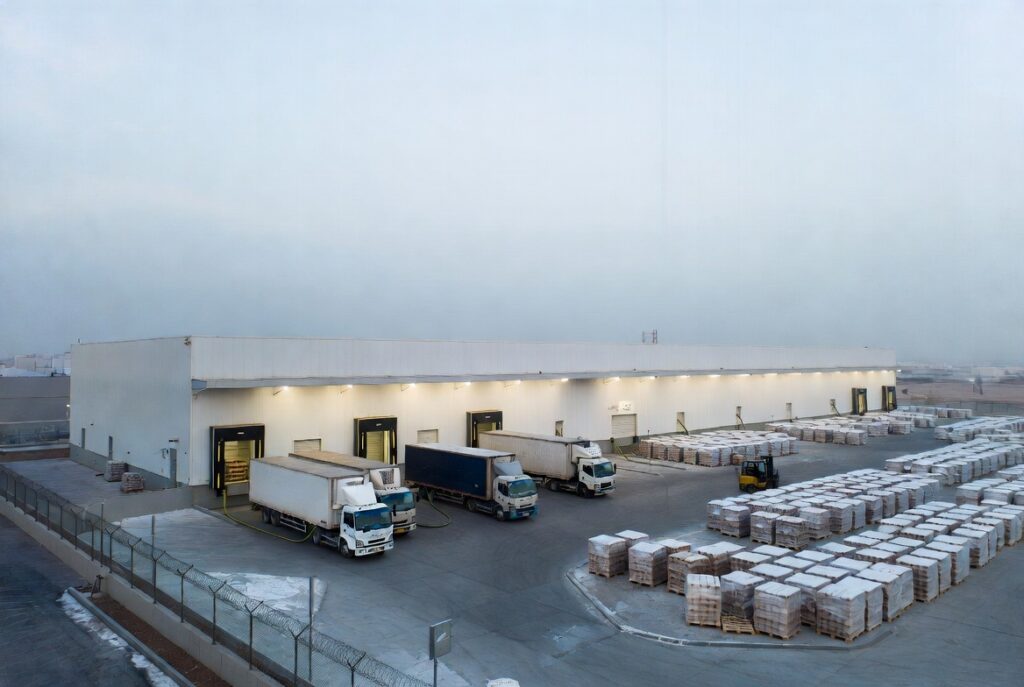
In today’s globalized economy, the storage and transportation of temperature-sensitive goods have become more critical than ever. Industries such as food, pharmaceuticals, hospitality, and retail rely heavily on cold chain logistics to ensure product safety, quality, and compliance with international standards.
Among all cold chain solutions, frozen storage plays a vital role in preserving products at extremely low temperatures to maintain freshness, prevent spoilage, and extend shelf life. Without proper frozen storage facilities, many essential goods would lose their quality before reaching consumers.
As Saudi Arabia continues to expand its food supply chains, retail networks, and import/export operations, the demand for advanced frozen storage facilities is growing rapidly, especially in key industrial cities like Dammam and Jeddah.
Modern businesses now depend on professional warehousing providers to manage temperature-controlled storage efficiently. Among the emerging names in the logistics and storage industry, units has established itself as a provider offering reliable and scalable storage solutions tailored to modern business needs.
This article explores the importance of Frozen Storage, increasing demand for Frozen Storage in Dammam and Frozen Storage in Jeddah, and how cold chain infrastructure is shaping the future of logistics in Saudi Arabia.
Understanding Frozen Storage
What Is Frozen Storage?
Frozen Storage refers to specialized cold storage facilities designed to keep products at very low temperatures, typically below -18°C or lower depending on product requirements.
These facilities are used to preserve perishable goods such as:
- Frozen meat and poultry
- Seafood products
- Dairy items
- Frozen vegetables and fruits
- Ice cream and desserts
- Pharmaceutical products
- Processed frozen foods
Frozen storage ensures that products remain safe, fresh, and usable for extended periods.
Why Frozen Storage Is Important
Frozen storage is a critical part of the cold chain supply system, ensuring that temperature-sensitive goods maintain quality throughout storage and transportation.
Key benefits include:
- Prevents food spoilage
- Maintains nutritional value
- Extends product shelf life
- Ensures safety compliance
- Reduces financial losses
- Supports international trade standards
Without proper frozen storage, businesses risk product degradation and major financial losses.
Frozen Storage
Growing Importance of Frozen Storage in Modern Industries
Frozen storage has become essential across multiple industries due to rising demand for packaged frozen food and pharmaceutical products.
Its importance is increasing because of:
- Growth in global food trade
- Expansion of supermarkets and retail chains
- Rising demand for frozen food products
- Increasing pharmaceutical requirements
- Growth of hospitality and catering industries
Businesses are increasingly relying on advanced frozen storage systems to maintain supply chain efficiency and product safety.
Key Features of Modern Frozen Storage Facilities
Ultra-Low Temperature Control
Maintains consistent freezing conditions for product safety.
Advanced Insulation Systems
Prevents temperature fluctuations and energy loss.
Real-Time Monitoring Systems
Ensures temperature consistency through digital tracking.
Hygienic Storage Conditions
Maintains strict cleanliness standards for food safety.
Automated Inventory Management
Improves accuracy and reduces handling errors.
High-Security Systems
Protects stored goods from theft or damage.
Industries That Depend on Frozen Storage
Frozen storage is essential for multiple sectors.
Food Industry
Stores frozen meat, seafood, and processed food items.
Hospitality Sector
Hotels and restaurants rely on frozen supply chains.
Pharmaceutical Industry
Stores temperature-sensitive medicines and vaccines.
Retail Chains
Supermarkets depend on frozen food logistics.
Export Businesses
Ensures product quality during international shipping.
Food Manufacturing Industry
Supports large-scale production and distribution.
Benefits of Professional Frozen Storage Services
Product Quality Preservation
Maintains freshness and nutritional value.
Reduced Waste
Prevents spoilage and product loss.
Efficient Supply Chain Management
Ensures smooth distribution and availability.
Cost Savings
Reduces operational and logistics expenses.
Scalability
Supports growing business storage needs.
Regulatory Compliance
Meets food safety and international standards.
Frozen Storage in Dammam
Increasing Demand for Frozen Storage in Dammam
Dammam is one of Saudi Arabia’s most important industrial and logistics hubs. Its strategic coastal location and strong economic activity make it a key center for import, export, and food distribution.
The demand for Frozen Storage in Dammam is rising due to:
- Expanding food import/export industry
- Growth of supermarkets and retail chains
- Increasing population and food consumption
- Strong logistics and port infrastructure
- Rising demand for frozen processed foods
Businesses in Dammam require reliable cold storage solutions to maintain product integrity and supply chain efficiency.
Why Dammam Is a Key Cold Storage Hub
Strategic Coastal Location
Proximity to ports supports import and export operations.
Industrial Expansion
Strong industrial base increases logistics demand.
Growing Retail Market
Supermarkets and food chains require cold storage support.
Efficient Transportation Network
Well-developed infrastructure ensures smooth distribution.
Economic Growth
Continuous development drives demand for storage solutions.
Frozen Storage in Jeddah
Growing Demand for Frozen Storage in Jeddah
Jeddah is a major commercial and logistics hub in Saudi Arabia and serves as a gateway for international trade through the Red Sea.
The demand for Frozen Storage in Jeddah continues increasing due to:
- High import and export activity
- Expanding hospitality and food industries
- Growth of retail supermarkets
- Increasing demand for frozen food products
- Strategic port operations
Companies in Jeddah rely heavily on cold chain logistics to maintain product quality during storage and distribution.
Why Jeddah Is Essential for Frozen Storage
Major Port City
Jeddah Islamic Port handles significant international trade.
Strong Food Industry
Restaurants and food businesses require cold storage support.
Expanding Retail Sector
Supermarkets depend on frozen product supply chains.
Tourism and Hospitality Growth
Hotels require consistent frozen food supply.
Strategic Trade Location
Connects global supply chains efficiently.
Technology in Modern Frozen Storage Systems
Modern frozen storage facilities use advanced technologies to improve efficiency and reliability.
IoT Temperature Monitoring
Real-time temperature tracking ensures product safety.
Automated Warehouse Systems
Reduces human error and improves efficiency.
Smart Inventory Tracking
Digital systems manage stock levels accurately.
Energy-Efficient Cooling Systems
Reduces operational costs and environmental impact.
Cloud-Based Management Platforms
Allows remote monitoring and control of storage operations.
Importance of Cold Chain Logistics
Frozen storage is a key part of the cold chain system, which ensures products remain at the required temperature throughout the supply chain.
Cold chain benefits include:
- Product safety assurance
- Reduced spoilage
- Improved distribution efficiency
- Better regulatory compliance
- Enhanced customer satisfaction
A strong cold chain system is essential for modern food and pharmaceutical industries.
Role of Frozen Storage in Food Security
Frozen storage plays an important role in maintaining food security by:
- Reducing food waste
- Extending shelf life of food products
- Ensuring year-round food availability
- Supporting emergency food supply chains
This is especially important in regions with high food import dependency.
Environmental Control in Frozen Storage Facilities
Maintaining strict environmental conditions is essential for frozen storage operations.
Key elements include:
- Temperature regulation
- Humidity control
- Air circulation systems
- Insulation technology
- Backup power systems
These systems ensure uninterrupted storage conditions.
Business Benefits of Frozen Storage Solutions
Reliable Product Supply
Ensures consistent availability of goods.
Reduced Operational Risks
Minimizes losses due to spoilage.
Better Market Reach
Supports national and international distribution.
Improved Brand Reputation
Ensures high-quality product delivery.
Long-Term Cost Efficiency
Reduces waste and logistics costs.
Why Businesses Outsource Frozen Storage
Many companies prefer outsourcing storage operations to specialized providers.
Advantages include:
- Lower infrastructure costs
- Professional warehouse management
- Advanced technology access
- Scalability options
- Focus on core business operations
Outsourcing improves efficiency and reduces operational complexity.
units
A Reliable Name in Modern Storage Solutions
units is recognized as a provider of modern storage and logistics solutions designed to meet the needs of growing industries.
The company focuses on delivering secure, efficient, and scalable storage services for businesses across different sectors.
What Makes units Stand Out?
Advanced Infrastructure
Modern facilities designed for cold chain efficiency.
Industry-Focused Services
Tailored solutions for different business sectors.
Reliable Operations
Strong systems ensure consistent storage performance.
Scalable Solutions
Flexible capacity for growing business needs.
Focus on Quality and Safety
Ensures proper handling of all stored goods.
Future of Frozen Storage in Saudi Arabia
The frozen storage industry in Saudi Arabia is expected to grow significantly due to:
- Rising demand for frozen food
- Expansion of retail and hospitality sectors
- Growth in pharmaceutical logistics
- Technological advancements in cold chain systems
- Government support for food security
Future developments will focus on automation, sustainability, and smart logistics integration.
Challenges in Frozen Storage Operations
Despite its importance, frozen storage faces some challenges:
- High energy consumption
- Equipment maintenance costs
- Temperature control risks
- Infrastructure requirements
- Logistics coordination challenges
Professional storage providers help overcome these challenges effectively.
Tips for Choosing Frozen Storage Services
Check Temperature Standards
Ensure proper freezing levels are maintained.
Evaluate Infrastructure
Modern facilities ensure better product safety.
Review Security Systems
Strong protection is essential for valuable goods.
Assess Technology Integration
Advanced systems improve efficiency.
Consider Location
Proximity to ports and markets improves logistics performance.
Conclusion
Frozen storage is a critical component of modern cold chain logistics, ensuring the safety, quality, and longevity of temperature-sensitive products. As global trade and food consumption continue to grow, the need for advanced storage solutions is becoming increasingly important.
The rising demand for Frozen Storage in Dammam and Frozen Storage in Jeddah highlights the importance of strong logistics infrastructure in Saudi Arabia’s growing economy.
units continues to support this demand by offering reliable, scalable, and modern frozen storage solutions designed to meet the evolving needs of businesses across food, pharmaceutical, and retail industries.
FAQs
1. What is frozen storage used for?
Frozen storage is used to preserve temperature-sensitive products such as food, pharmaceuticals, and frozen goods at very low temperatures.
2. Why is frozen storage important for businesses?
It prevents spoilage, extends shelf life, ensures product safety, and supports efficient supply chain operations.
3. Why is demand for frozen storage increasing in Dammam?
Dammam’s growing import/export activity, retail expansion, and industrial development are increasing storage needs.
4. Why is Jeddah important for frozen storage services?
Jeddah’s port, trade activity, and hospitality sector make it a major logistics and storage hub.
5. What are the benefits of using professional frozen storage services?
They provide better product safety, cost efficiency, scalability, and reliable cold chain management.