In today’s fast-paced business environment, customer experience has become one of the most important factors determining the success of organizations across multiple industries. Customers expect fast service, organized environments, minimal waiting times, and smooth operational experiences. Businesses that fail to manage customer flow efficiently often face overcrowding, dissatisfaction, operational delays, and reduced productivity.
As organizations continue growing and customer traffic increases, traditional waiting methods are no longer effective. Modern businesses now rely on advanced queue management systems to organize customer flow, improve service efficiency, and enhance overall customer satisfaction.
Queue management technology has become an essential operational tool in sectors such as healthcare, banking, government institutions, retail, telecommunications, education, hospitality, and customer service centers. These systems help businesses reduce waiting times while improving operational transparency and service quality.
In rapidly developing regions such as Saudi Arabia, cities like Dammam and Khobar are witnessing increasing demand for smart customer service technologies. Businesses and institutions are investing in modern queue management systems to support digital transformation, improve customer experiences, and optimize operational performance.
Among the growing providers of business technology solutions, the nextgen technologies has established itself as a company focused on delivering innovative systems designed to improve operational efficiency and customer service experiences.
This article explores the importance of queue management systems, the growing demand for queue management system dammam and queue management system in khobar, and how modern technology is transforming customer service operations.
Understanding Queue Management Systems
What Is a Queue Management System?
A queue management system is a technology solution designed to organize, control, and manage customer flow in businesses and service environments.
These systems help businesses handle customer traffic efficiently by reducing confusion, minimizing waiting times, and improving service delivery processes.
Modern queue management systems commonly include:
- Digital ticketing systems
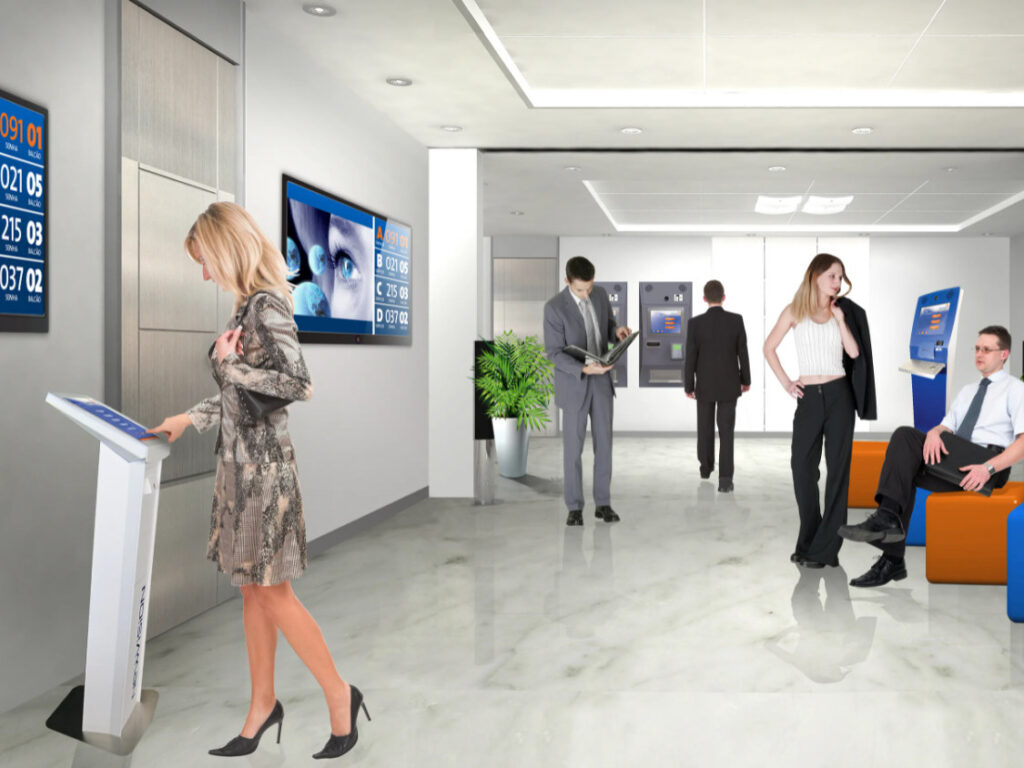
- Self-service kiosks
- Customer calling displays
- Mobile queue solutions
- Appointment scheduling systems
- Real-time analytics and reporting
- Customer feedback systems
These technologies improve customer experiences while helping businesses operate more efficiently.
Why Businesses Need Queue Management Systems
Customer waiting time directly affects customer satisfaction and brand reputation. Poorly managed queues can lead to frustration, reduced productivity, and negative customer experiences.
Businesses use queue management systems to:
- Reduce customer waiting times
- Improve operational organization
- Increase service efficiency
- Enhance customer experiences
- Optimize staff productivity
- Minimize overcrowding
- Improve workflow management
Organizations with efficient queue systems often experience stronger customer loyalty and operational performance.
queue management system
Growing Importance of Queue Management Systems
Modern businesses are increasingly adopting queue management technology due to growing customer expectations and operational complexity.
A queue management system provides several advantages:
- Organized customer flow
- Better service transparency
- Faster service delivery
- Improved communication
- Enhanced operational control
- Real-time monitoring and analytics
These benefits make queue management systems essential for modern customer service operations.
Industries That Use Queue Management Systems
Queue management systems are now widely used across many industries.
Healthcare Sector
Hospitals and clinics use queue systems to manage patient appointments and waiting areas.
Banking Industry
Banks use digital queue systems to improve customer service efficiency.
Government Institutions
Government offices manage citizen services more effectively using queue technology.
Retail and Shopping Centers
Retail businesses use queue systems to improve customer flow and checkout operations.
Telecommunications Companies
Telecom service centers handle large customer volumes through organized queue systems.
Educational Institutions
Universities and schools use queue management for student services and administrative operations.
Benefits of Modern Queue Management Systems
Reduced Waiting Times
Queue systems improve service speed and reduce customer frustration.
Better Customer Experience
Organized environments create more positive service experiences.
Improved Staff Productivity
Employees can manage customer interactions more efficiently.
Real-Time Data and Analytics
Businesses can monitor service performance and optimize operations.
Enhanced Operational Transparency
Customers receive clear service updates and waiting information.
Reduced Congestion
Digital systems help maintain organized service areas.
queue management system dammam
Increasing Demand for queue management system dammam
Dammam is one of Saudi Arabia’s fastest-growing commercial and industrial cities. The city’s expanding healthcare, banking, retail, and government sectors have significantly increased demand for modern customer service technologies.
Businesses and institutions are increasingly investing in queue management system dammam solutions to improve operational efficiency and customer satisfaction.
Several factors contribute to this growing demand:
- Population growth
- Expanding commercial activities
- Increased customer traffic
- Digital transformation initiatives
- Rising service quality expectations
Organizations in Dammam recognize the importance of efficient customer flow management in maintaining competitive advantages.
Why Queue Management Technology Is Important in Dammam
Growing Business Activity
The city’s economic growth increases customer traffic across multiple industries.
Improved Customer Service Standards
Businesses aim to provide faster and more organized services.
Support for Digital Transformation
Smart systems align with Saudi Arabia’s modernization goals.
Better Operational Efficiency
Automation improves workflow management and service delivery.
Enhanced Customer Satisfaction
Reduced waiting times improve customer experiences significantly.
queue management system in khobar
Rising Demand for queue management system in khobar
Khobar is recognized as one of the Kingdom’s major commercial and residential hubs. The city’s modern business environment and growing service sectors have created strong demand for advanced operational technologies.
Businesses investing in queue management system in khobar solutions seek to:
- Improve customer experiences
- Reduce waiting times
- Modernize operations
- Enhance service quality
- Increase operational efficiency
As customer expectations continue evolving, organizations in Khobar increasingly prioritize digital service management systems.
Why Khobar Is Embracing Smart Queue Management
Modern Commercial Environment
Khobar’s business sector emphasizes operational efficiency and customer experience.
Increasing Customer Volumes
Growing populations and business activity require better customer flow management.
Focus on Digital Innovation
Businesses adopt smart technologies to remain competitive.
Service Industry Expansion
Healthcare, banking, and retail sectors continue growing rapidly.
Smart City Development Trends
Technology-driven systems support modern urban operations.
Key Features of Modern Queue Management Systems
Digital Ticketing Systems
Customers receive digital queue numbers for organized service management.
Self-Service Kiosks
Kiosks allow customers to register and select services independently.
Customer Display Screens
Digital displays provide real-time queue updates and service information.
Mobile Queue Solutions
Customers can monitor queue status through mobile applications.
Appointment Scheduling
Pre-booked appointments improve workflow planning and reduce congestion.
Reporting and Analytics
Businesses can analyze performance metrics and optimize operations.
Role of Technology in Queue Management
Technology continues transforming customer service operations significantly.
Modern queue management systems now integrate with:
- Mobile applications
- CRM software
- Cloud-based platforms
- AI-powered analytics
- Digital signage systems
- Online booking systems
Integrated systems improve operational visibility and customer convenience.
Customer Experience and Queue Management
Customer experience has become a major competitive factor in modern businesses.
Efficient queue systems improve customer experiences by:
- Reducing stress and frustration
- Improving service transparency
- Providing accurate waiting information
- Supporting contactless interactions
- Creating organized environments
Positive customer experiences strengthen brand reputation and customer loyalty.
Queue Management in Healthcare Facilities
Healthcare facilities experience high customer traffic daily, making queue management essential.
Benefits include:
- Organized patient flow
- Reduced waiting times
- Improved appointment management
- Better patient experiences
- Enhanced operational efficiency
Hospitals and clinics increasingly rely on digital queue systems to improve patient care operations.
Queue Management in Banking and Financial Services
Banks and financial institutions use queue systems to streamline customer service operations.
Advantages include:
- Faster transaction processing
- Improved branch organization
- Better customer communication
- Reduced overcrowding
- Increased operational productivity
Digital queue management improves customer confidence and service quality in banking environments.
Importance of Data Analytics in Queue Management
Modern systems provide valuable operational data and insights.
Analytics help businesses:
- Monitor service efficiency
- Identify operational bottlenecks
- Improve staff allocation
- Analyze customer behavior
- Enhance decision-making
Data-driven operations improve long-term business performance and customer satisfaction.
the nextgen technologies
Delivering Smart Business Technology Solutions
the nextgen technologies is recognized for providing innovative business technology solutions designed to improve operational efficiency and customer service management.
The company focuses on delivering modern digital systems that support organizational growth and customer satisfaction.
What Makes the nextgen technologies Stand Out?
Advanced Technology Expertise
The company understands modern business technology requirements and operational challenges.
Customized Solutions
Systems are tailored according to specific industry and organizational needs.
Reliable System Integration
Solutions integrate efficiently with existing operational environments.
Customer-Focused Approach
The company prioritizes operational efficiency and customer experience improvement.
Professional Technical Support
Reliable support services help businesses maintain smooth system performance.
Future of Queue Management Systems
Queue management technology will continue evolving with advancements in AI, automation, and smart infrastructure.
Future trends include:
- AI-powered customer flow analysis
- Facial recognition systems
- Voice-assisted queue management
- Cloud-based smart operations
- Predictive service analytics
- Fully contactless customer experiences
Businesses adopting these innovations will remain competitive in increasingly digital markets.
Challenges in Queue Management Operations
Despite the benefits, organizations must address several operational challenges.
High Customer Volumes
Large crowds require scalable and efficient systems.
Technology Integration Issues
Businesses need reliable infrastructure and compatibility.
Staff Training Requirements
Employees must understand system operations and customer handling procedures.
System Maintenance
Regular updates and maintenance ensure operational reliability.
Professional technology providers help businesses overcome these challenges effectively.
Tips for Implementing Successful Queue Management Systems
Analyze Customer Flow
Businesses should understand customer traffic patterns before implementation.
Choose Scalable Technology
Flexible systems support future business growth.
Focus on Customer Experience
User-friendly systems improve customer satisfaction.
Train Employees Properly
Staff should understand system usage and customer interaction procedures.
Monitor System Performance
Regular analytics help optimize operations continuously.
Conclusion
Queue management systems have become essential tools for modern businesses and institutions seeking to improve customer service efficiency and operational performance. As customer expectations continue evolving, organizations increasingly rely on smart digital systems to reduce waiting times, improve service quality, and create organized customer experiences.
The growing demand for queue management system dammam and queue management system in khobar reflects the increasing focus on digital transformation and customer experience enhancement across Saudi Arabia.
the nextgen technologies continues supporting businesses by providing innovative queue management solutions designed to improve workflow efficiency, customer satisfaction, and long-term operational success in today’s competitive business environment.
FAQs
1. What is a queue management system?
A queue management system is a digital solution designed to organize customer flow, reduce waiting times, and improve service efficiency.
2. Which industries use queue management systems?
Healthcare, banking, retail, government institutions, telecommunications, and educational organizations commonly use queue management systems.
3. Why are queue management systems important?
They improve customer satisfaction, reduce congestion, enhance operational efficiency, and support organized service delivery.
4. Why is demand for queue management systems increasing in Dammam and Khobar?
Rapid business growth, digital transformation, increasing customer volumes, and higher service expectations are driving adoption.
5. What technologies are used in modern queue management systems?
Modern systems use digital ticketing, self-service kiosks, mobile applications, analytics tools, appointment scheduling, and cloud-based management platforms.