Frozen Storage in Riyadh: A 2026 Cold Chain Guide for Modern Businesses
When temperatures outside hit the mid-40s, the value of a reliable freezer facility becomes obvious. From food distributors to pharmaceutical importers and even sensitive electronics suppliers, dependable frozen storage in Riyadh underpins entire supply chains. This 2026 guide breaks down how cold storage works, which temperature tiers matter, and why the same disciplined facilities that protect frozen goods also excel at guarding high-value technology.
The capital sits at the heart of the Kingdom’s logistics network, so a lapse in the cold chain here ripples outward fast. Understanding the fundamentals helps any business choose a partner that keeps products safe from dock to delivery.
Frozen Storage in Riyadh: Where the Cold Chain Begins
The cold chain is only as strong as its weakest link, and storage is where product spends the most time. A single hour above the target temperature can compromise a whole shipment of frozen meat, dairy, or medical supplies.
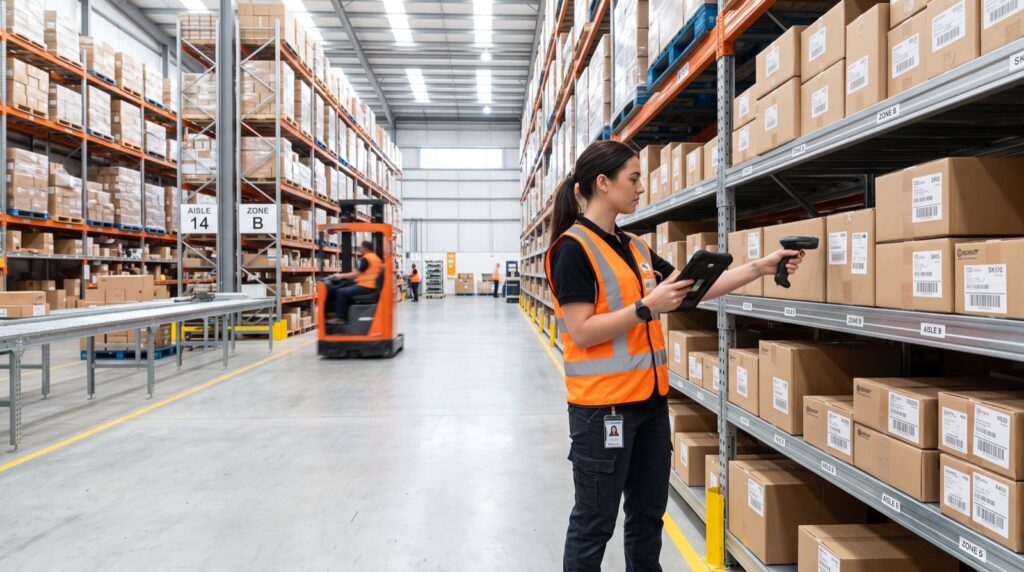
Professional Frozen Storage in Riyadh delivers continuous, monitored sub-zero conditions with alarms and backup systems that a standard warehouse cannot match. That reliability is what turns storage from a cost into a genuine safeguard for perishable value.
Temperature Tiers Explained
Not all cold storage is the same. Different products demand different ranges, and mixing them wastes energy or risks spoilage. The table below outlines the common tiers used across the industry.
| Tier | Temperature range | Typical products |
|---|---|---|
| Deep frozen | -25 C to -18 C | Ice cream, seafood, long-term meat |
| Standard frozen | -18 C to -12 C | Frozen vegetables, ready meals |
| Chilled | 0 C to 4 C | Dairy, fresh produce |
| Cool ambient | 10 C to 18 C | Chocolate, some pharmaceuticals |
Matching each product to the correct tier protects quality and controls energy costs, a growing priority as efficiency standards tighten across 2026.
Can You Store Electronics in Cold and Controlled Facilities?
Here is a question many operators overlook: the discipline behind frozen storage also makes for excellent electronics protection. High-value devices hate the same enemies that food does, namely heat, humidity, and unstable environments.
While delicate electronics are not deep-frozen, they thrive in the stable, monitored, humidity-controlled conditions that a serious cold-storage operator already runs. Facilities offering dedicated Storage for Electronics & Smart Devices apply the same rigor of climate control, security, and monitoring that keeps frozen inventory safe.
Why humidity control matters for devices
Moisture is the silent killer of circuit boards, batteries, and connectors. Controlled facilities hold humidity within tight bands, preventing corrosion and condensation that ruin smart devices over time.
Energy, Backup Power, and Reliability
Cold storage runs on electricity, and Riyadh’s peak summer load makes uninterrupted power essential. A quality facility never relies on the grid alone.
- Redundant refrigeration units so one failure does not warm the room
- Standby generators that engage within seconds of an outage
- 24/7 temperature monitoring with automated alerts
- Regular maintenance to prevent compressor breakdowns
The International Institute of Refrigeration highlights that efficient, well-maintained cold chains sharply reduce food loss worldwide. You can explore its research through the International Institute of Refrigeration to understand why redundancy pays for itself.
Choosing a Frozen Storage Partner: A Step-by-Step Approach
Selecting the right facility is a structured decision, not a guess. Work through these steps before you commit.
- Define your exact temperature tier and volume needs.
- Verify backup power and redundant refrigeration on site.
- Ask for temperature logs and alarm response records.
- Confirm security, access control, and insurance coverage.
- Check location relative to your distribution routes.
- Review contract flexibility for seasonal peaks.
Working with an experienced local team shortens this process, because established operators already meet the standards that newcomers scramble to reach.
The Hidden Cost of a Broken Cold Chain
A temperature excursion rarely announces itself. Frozen product can partially thaw and refreeze, looking fine on the surface while its quality and safety quietly collapse.
Quality and safety losses
Refrozen seafood develops ice crystals that wreck texture, and thawed dairy can grow bacteria that no refreezing removes. The financial hit lands later, when customers reject the product or a batch fails inspection.
Reputational damage
Retailers and distributors depend on consistency. One spoiled delivery can cost a supply contract worth far more than the shipment itself, which is why continuous monitoring is non-negotiable.
How Riyadh’s Climate Raises the Stakes
In a city where outdoor temperatures can exceed 45 degrees Celsius, the gap between the freezer and the ambient air is enormous. Every door opening, every loading pause, and every power flicker pushes against that difference.
This is precisely why locally experienced operators build in extra insulation, rapid-close doors, and staged loading docks. They engineer for the worst summer day, not the mild average, so your stock stays protected when the heat peaks.
Sustainability and Modern Refrigeration
Energy efficiency is now a core concern for cold storage across 2026. Newer facilities use natural refrigerants, variable-speed compressors, and smart controls that cut power use without sacrificing reliability.
- Well-sealed insulation reduces the load on refrigeration units
- Smart defrost cycles run only when needed
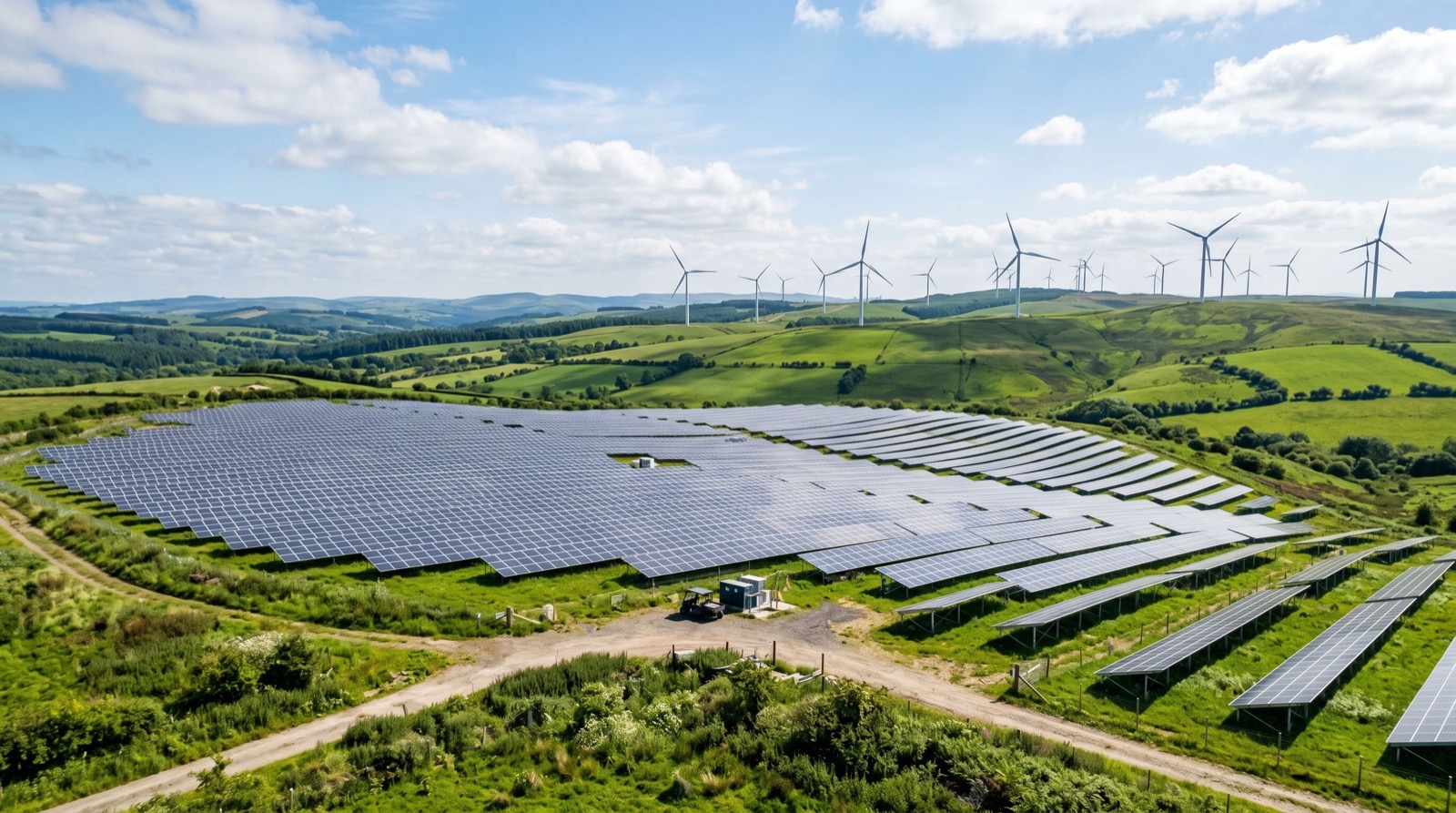
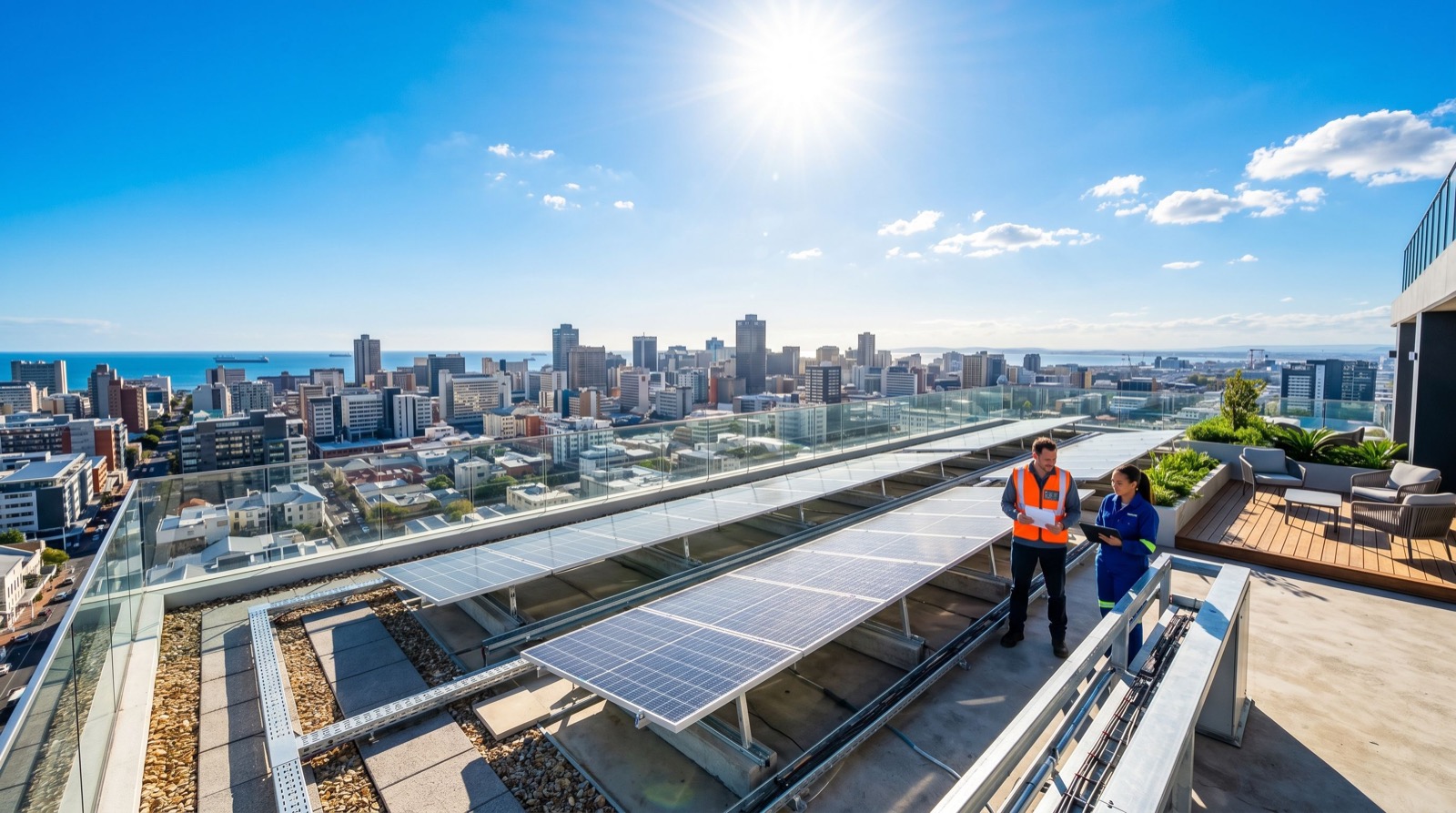
- Solar-supported power lowers grid dependence during peak sun
Choosing an efficient facility trims your operating cost and shrinks your carbon footprint at the same time, a win that increasingly matters to the retailers you supply.
Frequently Asked Questions
What happens if a freezer facility loses power?
A well-designed facility switches to standby generators within seconds and holds temperature through insulation. Ask any provider to demonstrate its backup protocol before you trust them with stock.
How is temperature monitored around the clock?
Modern facilities use networked sensors that log readings continuously and send instant alerts if a zone drifts. This creates an audit trail you can share with customers and regulators.
Can one facility handle multiple temperature zones?
Yes. Larger operators run separate chambers for deep-frozen, frozen, and chilled goods, letting you store a mixed inventory under one roof with correct conditions for each.
Is cold storage only for food businesses?
No. Pharmaceuticals, cosmetics, and sensitive electronics all benefit from controlled environments. The monitoring and stability built for frozen goods transfer well to any high-value, climate-sensitive product.
Conclusion
Dependable frozen storage in Riyadh protects far more than frozen food. It safeguards pharmaceuticals, guards sensitive devices, and keeps entire supply chains intact through the hottest months of 2026. The right partner combines correct temperature tiers, redundant power, and constant monitoring into one dependable service.
Protect your inventory before the next heatwave. Contact a specialist team to design a cold storage solution built around your products and your routes.