Solar ROI in Pakistan 2026: Net Metering, Batteries & Real Savings
Choosing the best solar company in Pakistan is only half the decision. The other half is understanding return on investment: how fast your system pays for itself and how much you actually save over 25 years. In 2026, net metering, falling battery prices, and rising grid tariffs have combined to make solar one of the smartest financial moves a homeowner or business can make. This guide walks through the numbers so you can invest with confidence.
Solar is no longer a lifestyle choice. It is a calculated asset with a measurable payback period, and the math in 2026 is more favorable than ever.
Why Solar ROI Looks So Strong in 2026
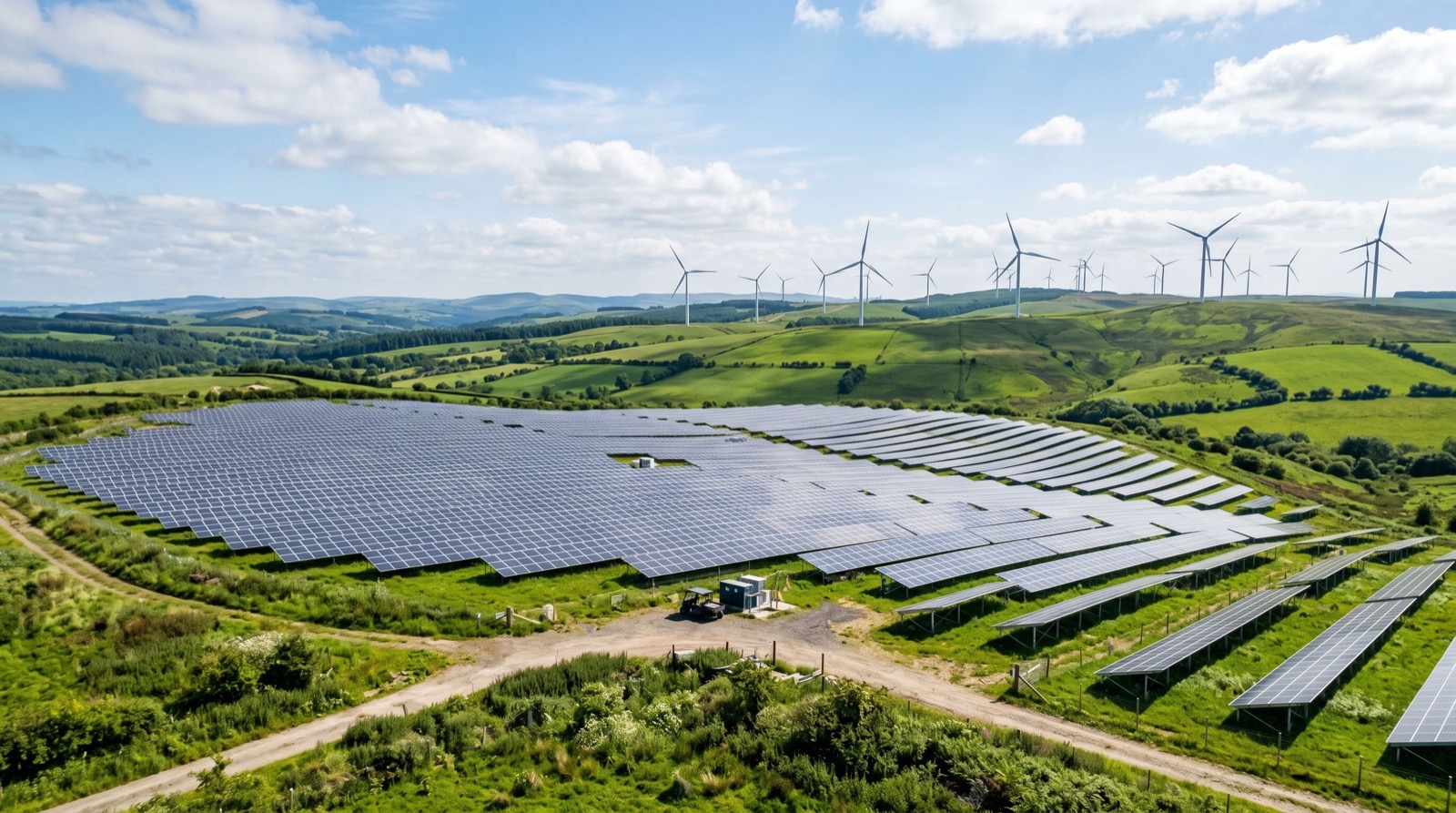
Three forces are pushing solar returns upward. First, grid electricity tariffs and fuel-adjustment surcharges keep climbing, so every unit you self-generate is worth more. Second, panel and inverter hardware costs have fallen sharply due to global oversupply. Third, net metering lets you export surplus power and offset your bill.
Partnering with the best solar company in Pakistan ensures your system is sized and registered correctly so you capture every rupee of that return.
How Does Net Metering Improve Your Return?
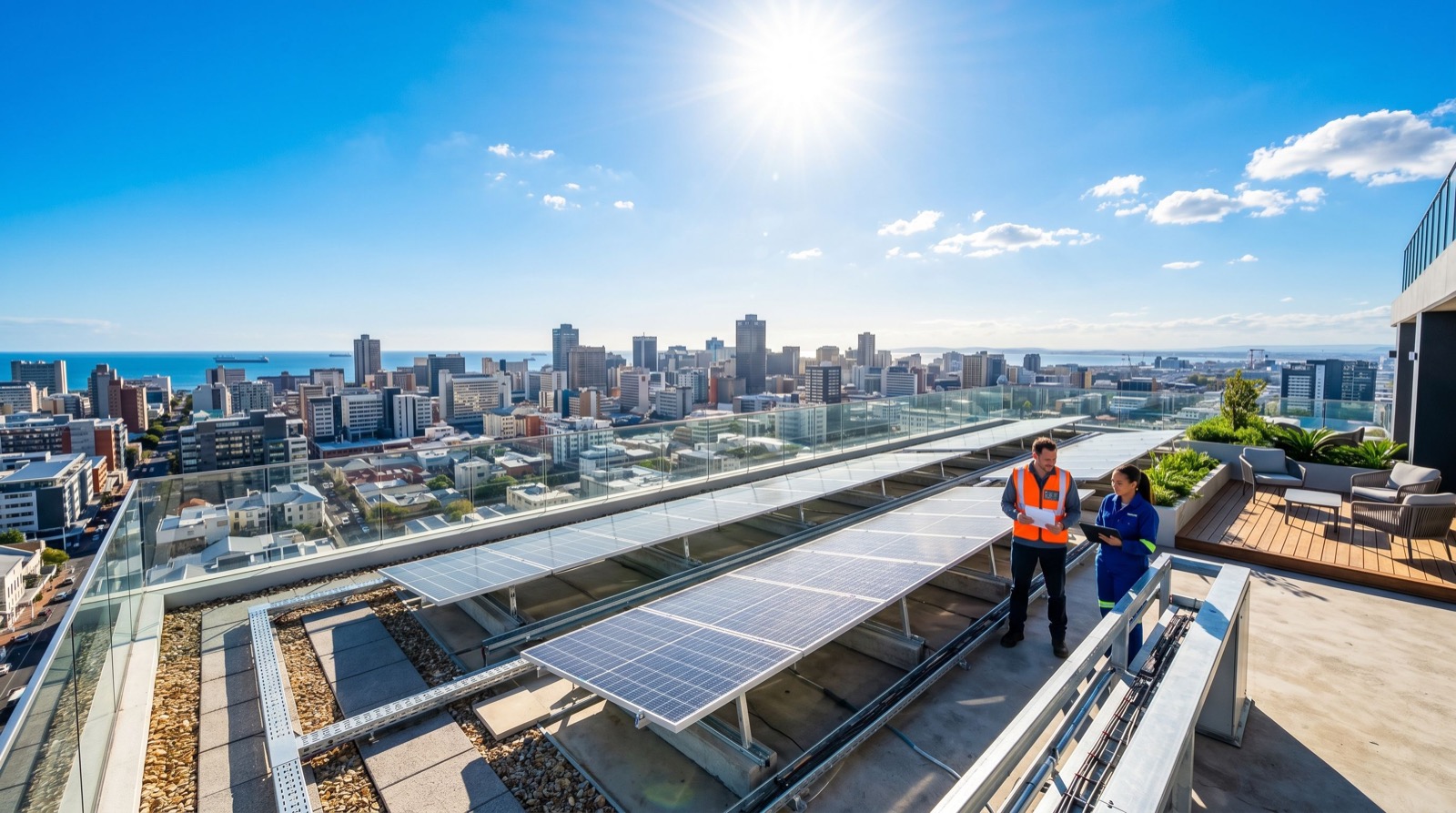
Net metering is the engine behind fast solar payback. During the day, your panels often produce more than your home uses. That surplus flows back into the grid and spins your meter backward, creating credits you draw on at night.
- Daytime surplus is exported and credited to your account.
- Nighttime and cloudy-day usage draws on those credits first.
- You pay only for net consumption, often close to zero.
- Bi-directional meters are installed by your distribution company.
According to the National Renewable Energy Laboratory, grid-tied solar with net metering consistently delivers the shortest payback because you use the grid as a free battery. That is why on-grid systems dominate new installations across Pakistan.
What Is the Real Payback Period?
Payback depends on system size, cost, and how much you were paying the grid. Here is a realistic 2026 breakdown for common home sizes.
| System Size | Approx. Cost (PKR) | Monthly Savings | Payback |
|---|---|---|---|
| 5 kW | Rs 850,000 | Rs 22,000 | ~3.2 years |
| 7.5 kW | Rs 1,250,000 | Rs 33,000 | ~3.1 years |
| 10 kW | Rs 1,650,000 | Rs 45,000 | ~3.0 years |
After payback, the system keeps producing nearly free electricity for another 20+ years. Over its lifetime, a 10kW system can save well over Rs 10 million at current tariff trajectories.
Do Batteries Help or Hurt Your ROI?
Batteries change the equation. A pure on-grid system pays back fastest, but it goes dark during outages. Adding lithium storage restores backup power at an added cost. The good news: lithium prices have dropped, improving the trade-off.
If load-shedding is frequent in your area, the value of uninterrupted power can justify storage even if strict payback is slightly longer. When you compare the lithium battery price in Pakistan, weigh cycle life and warranty, not just the sticker cost, because a longer-lasting battery lowers cost per usable kWh.
| Setup | Payback | Backup During Outage |
|---|---|---|
| On-grid, no battery | Fastest (~3 yrs) | No |
| Hybrid + lithium | Moderate (~4–5 yrs) | Yes |
| Off-grid | Slowest | Full independence |
How to Maximize Your Solar Returns
Even the best hardware underperforms if the design or paperwork is wrong. Follow these steps to protect your investment.
- Size the system to your actual annual consumption, not a rough guess.
- Register net metering before commissioning to start earning credits immediately.
- Choose Tier-1 panels and a hybrid inverter with strong warranty terms.
- Schedule annual panel cleaning to maintain peak output.
- Work only with certified installers and quality service providers who back their work.
How Do Rising Tariffs Change the Math Each Year?
Solar ROI is not static. Every time grid tariffs rise, the value of your self-generated power increases, which shortens payback and boosts lifetime savings. This is the hidden accelerator most buyers overlook.
Consider a household paying Rs 55 per unit today. If tariffs rise even modestly each year, the same solar output offsets more rupees annually. Over 25 years, that compounding effect can double or triple the raw savings you calculated on day one.
- Solar locks in your energy cost at the price of the system, not the grid.
- Each tariff hike widens the gap between grid power and free solar power.
- Inflation makes an early solar investment increasingly valuable over time.
In practical terms, waiting another year to install usually costs you more in avoided savings than you would gain from any future hardware price drop. The best time to start earning solar credits is as early as your budget allows.
What Maintenance Costs Should You Budget For?
One reason solar ROI stays strong is that ongoing costs are low. Unlike generators, solar systems have no fuel bills and very few moving parts. Still, a small maintenance budget keeps output at its peak.
| Task | Frequency | Approx. Annual Cost |
|---|---|---|
| Panel cleaning | Monthly (dry season) | Low / DIY possible |
| Inverter check | Annual | Modest service fee |
| Wiring inspection | Annual | Included in service |
| Battery health check | Annual | Low |
These minimal costs barely dent your returns. Clean panels alone can restore several percent of lost output during dusty months, making a simple cleaning routine one of the highest-return maintenance habits you can adopt.
Frequently Asked Questions
Is solar a good investment in Pakistan in 2026?
Yes. With rising tariffs, cheaper hardware, and net metering, most home systems pay back in about three years and then deliver free power for two decades, making it one of the best available returns.
How do I choose the best solar company in Pakistan?
Look for certified installers, transparent per-watt pricing, Tier-1 equipment, net-metering support, and real warranties. Avoid companies that quote lump sums without listing brands and models.
Does net metering really eliminate my bill?
A correctly sized system can bring your net bill close to zero. You may still pay small fixed charges, but energy costs are largely offset by exported surplus credits.
Are lithium batteries worth the extra cost?
If load-shedding is common where you live, lithium storage delivers backup power and long cycle life. For pure bill savings without outages, an on-grid system pays back faster.
Conclusion
The ROI case for solar in 2026 is compelling, and choosing the best solar company in Pakistan ensures you actually capture it. Focus on correct sizing, net-metering registration, and quality components, and your rooftop becomes a decades-long money-saving asset. Ready to run the numbers on your home? Contact MTech Solar Solutions for a tailored ROI estimate and a system built to pay you back fast.